

Business Strategy
The following were the advancements in the conglomerate’s three-pronged business strategy in 2022. These directions have been agreed upon with the Board in a strategic planning workshop while the Key Performance Indicators shall be discussed as a next step.
Systemic and Ecosystem Approach
We continued to ensure that our business processes guarantee sustainability to protect present and future operations. This means that the processes currently in place are both mindful of protecting the environment in which our businesses operate, and supportive to their host communities.
In 2022, our systematic and ecosystem approach led us to pursue significant opportunities within our core sectors and their adjacencies by leveraging on the distinctive capabilities of the group.
Talent Centricity
Company talents are FPH resources representing capabilities that can be deployed anywhere in the group. With regard to our strategic focus on talent, several initiatives were undertaken in 2022. We can activate any of our established talent management mechanisms to supplement company efforts to attract, develop, and engage talent that will help us achieve our goals and aspirations. The following are our talent management initiatives and mechanisms:
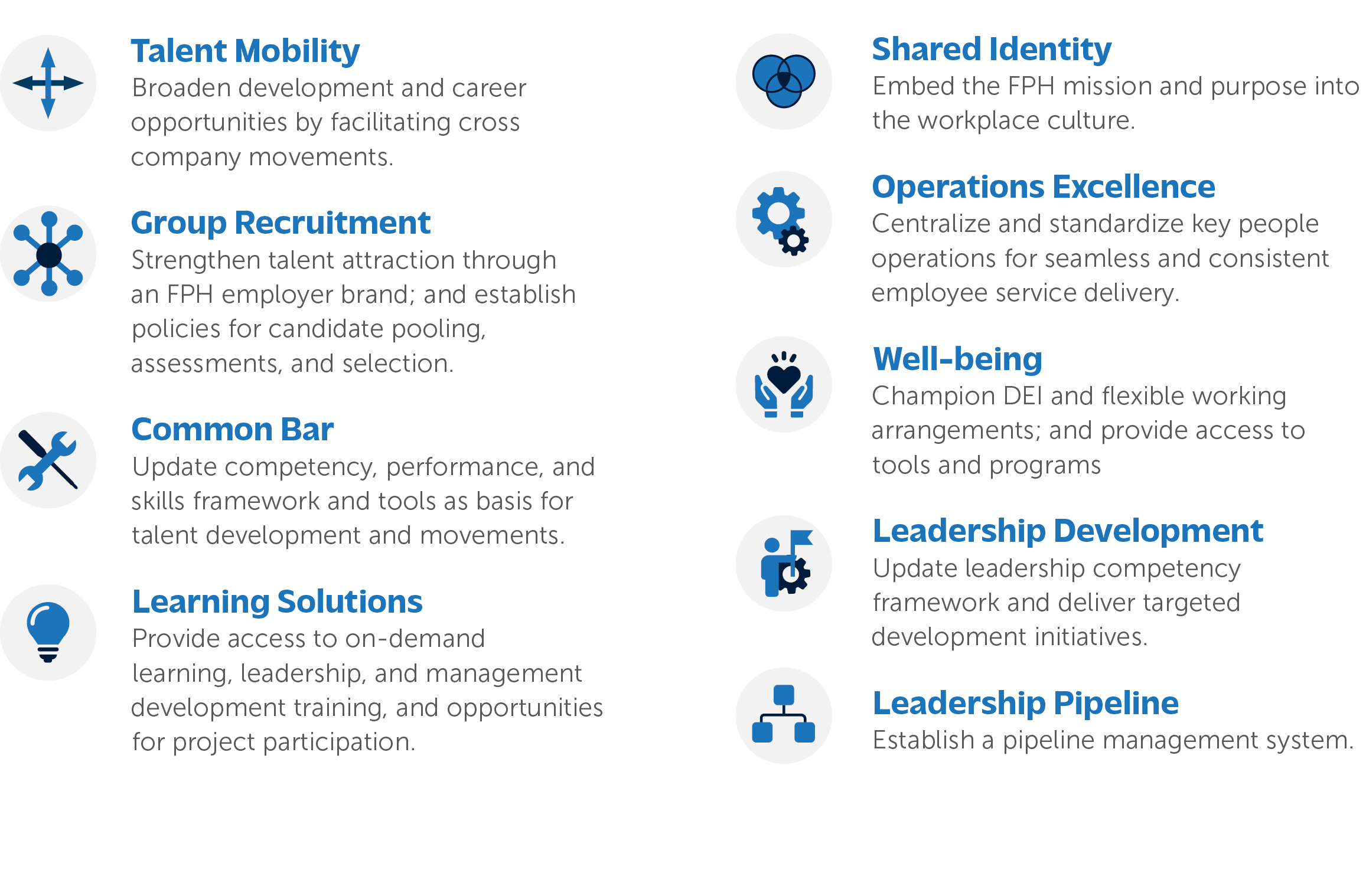
Organizational Agility
We enhance our parenting capabilities to provide stronger governance and functional support in the basic areas of human resources, ESG management, risk management, legal and regulatory counseling, finance and accounting, and building digital platforms. These services maximize group synergies and enable our subsidiaries to focus on managing their growth and developing their distinctive capabilities.
We also continued to focus on the following strategic priorities, whose impacts can be over the short, medium, and long-term:
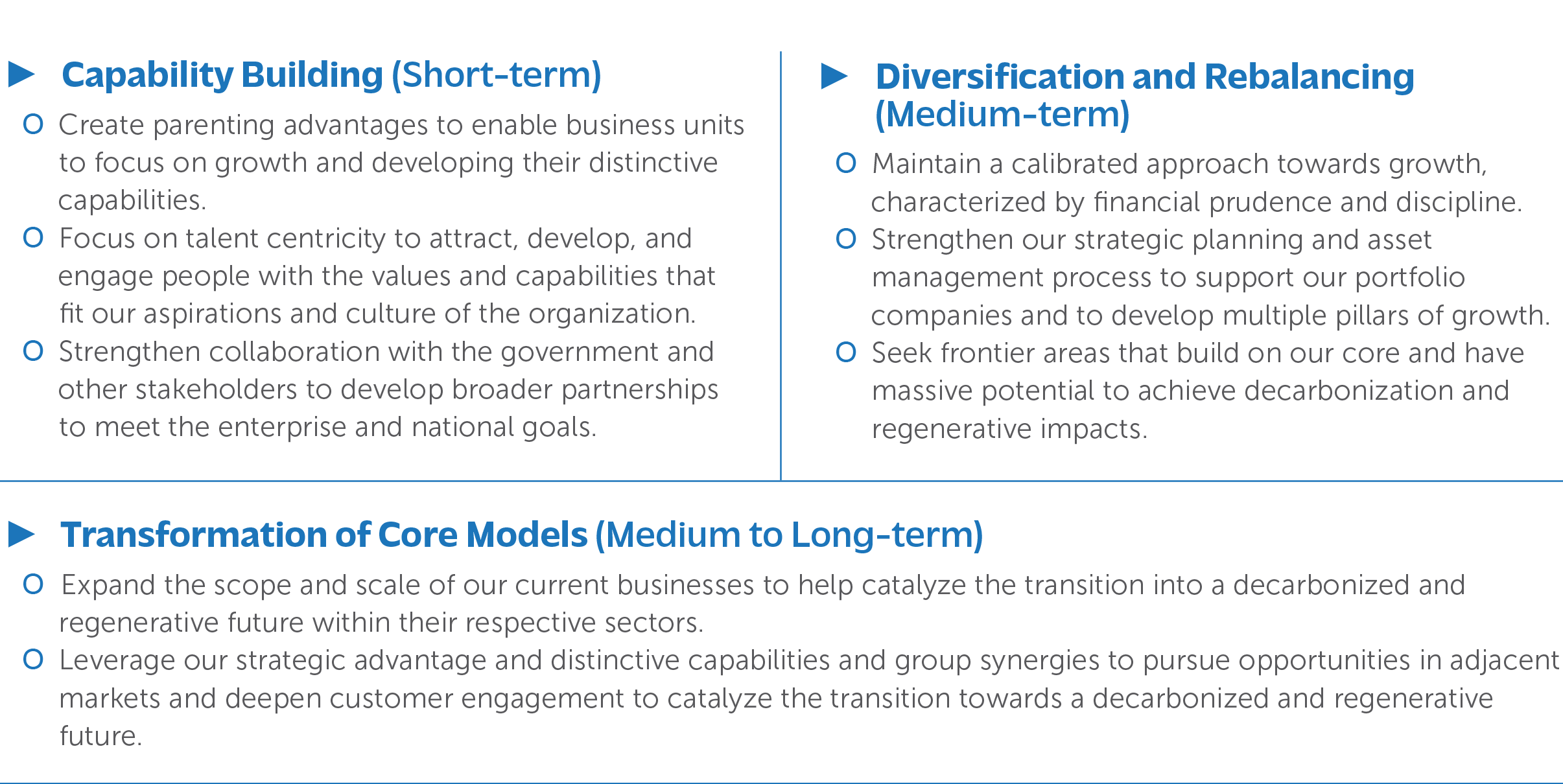
At the business segment level, the Board and Senior Leadership assessed the need to reshape the scope and scale of FPH core businesses to help catalyze the transition to a decarbonized and regenerative future. The result is a more streamlined way to play for our subsidiaries. Each subsidiary will have its specific role while at the same time complementing each other to fulfill our mission.
There are two major changes in the business segment strategies in 2022. First, we found that the term “Energy Solutions” better reflects the true objectives and intentions of the initiatives being carried out by our manufacturing subsidiary, First Philec Inc. The urgency of an orderly energy transition has brought about multiple opportunities to provide solutions for the future needs of the grid while supporting our power segment in accelerating the transition to a decarbonized energy system. Second, we strongly believe that efforts to strengthen society are needed in the journey to decarbonization and regeneration. That is why we are also concerned about addressing the global issue of social equity which includes society’s access to health and educational services, among others. Thus, we have added a social services segment to our initiatives and their ESG attributes shall be reported starting 2023.
Roles of our businesses in the decarbonization and regeneration of the country
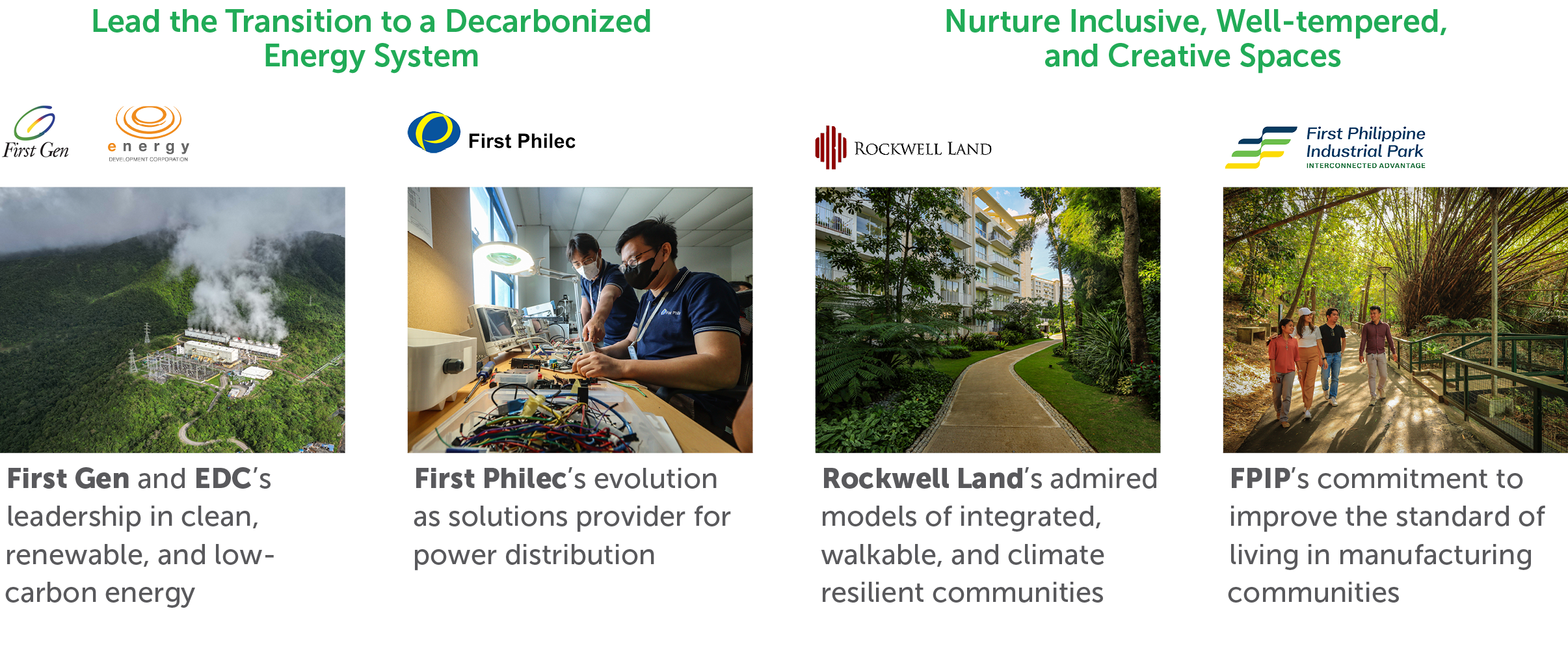
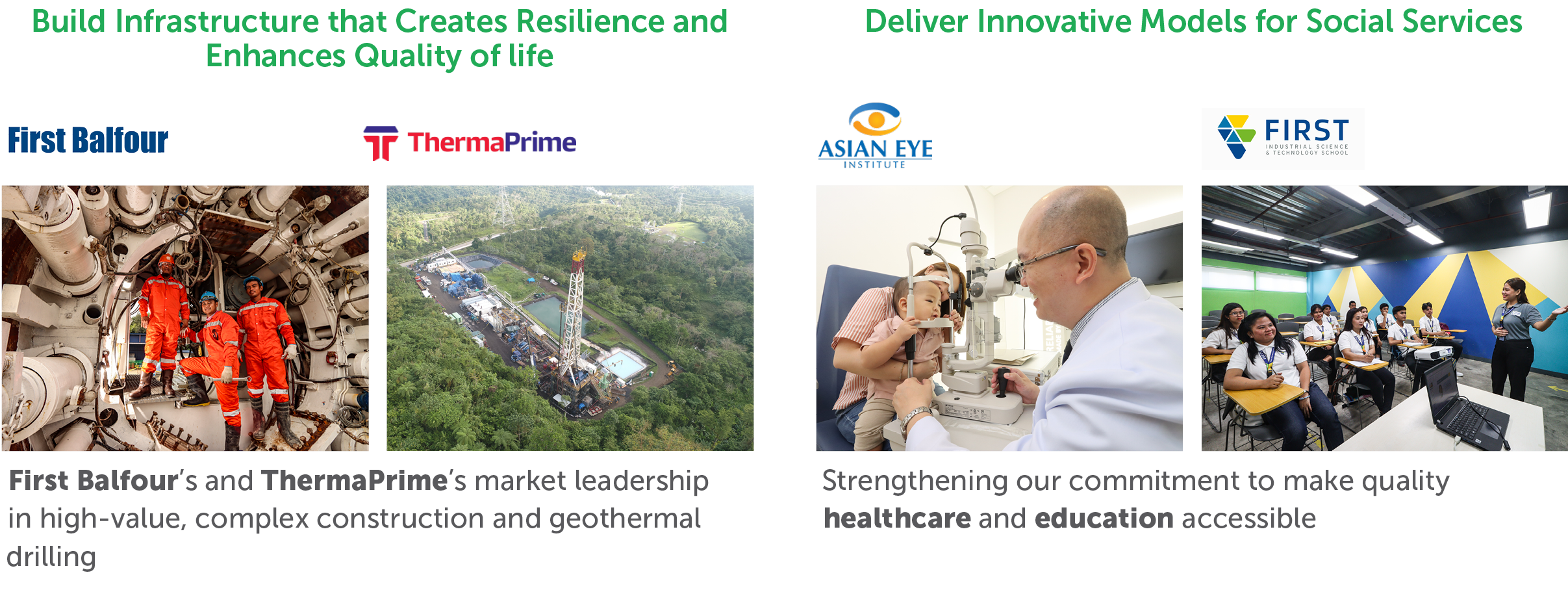
The full execution of our business strategies may be influenced by positive and negative forces.
Potential accelerators include:
The growing demand for net zero offerings as businesses transition to more sustainable or regenerative practices will be able to help grow the FPH business.
The growing awareness of the importance of net zero has allowed other industry players to begin adopting strategies that align with decarbonization. With this, FPH may be able to work with other companies to achieve their desired outcomes.
The country’s population is becoming increasingly educated and technically competent, providing rich human capital that is young, skilled, and globally competitive. One key element of the FPH business strategy is talent centricity, and an important strategic priority is capacity building. Thus, this development in country demographics can accelerate the development of this priority.
There have been institutional reforms that support the economy and society, which benefit the organization. Fiscal and administrative reforms, ease of doing business, liberalization policies, and social policy reforms are all beneficial to the demand for business offered by the subsidiaries of FPH, which can accelerate their business growth.
Potential barriers may include:
Macroeconomic shocks such as inflation, rise in interest rates and the depreciation of the peso can temporarily impact the operations of the business segments of the organization, affecting their strategies or the progress of their goals.
There may also be regulatory challenges that could impact the strategies of the businesses–causing delays or required procedures that lengthen processes to transform our business models.
Business Model
Within FPH’s business model are activities that transform our capitals into products and services that create value for the enterprise and others. In 2022, there was no major change in our business model as it had been observed to deliver optimal results to our operations. We continue to support our business platforms through the following:
Strategic Management
Providing strategic plans to relay the overall direction and expectations to the subsidiaries.
Portfolio Management and Capital Allocation
Providing strategic plans to relay the overall direction and expectations to the subsidiaries.
Corporate Entrepreneurship
Creating and developing innovative businesses to expand the portfolio.
Performance Management
Aligning the interests of the subsidiaries to drive strategic and financial performance.
Managing synergies
Combining and leveraging knowledge and resources of the group units to maximize value.
Providing Corporate Support
Supporting subsidiaries through well-integrated corporate resources that tailor-fit services for the businesses depending on their maturity, size, and nature of certain transactions.
Progress on Our Mission
The following were the advancements in the conglomerate’s three-pronged business strategy in 2022. These directions have been agreed upon with the Board in a strategic planning workshop while the Key Performance Indicators shall be discussed as a next step.
Alignment of FPH Mission with Global Goals
The updated FPH mission is aligned with the goals of the 2015 Paris Agreement, namely: a) the mitigation goal of reducing GHG emissions; b) the adaptation goal of building resilience and decreasing vulnerability to adverse effects of climate change; and c) cooperation among countries. In February 2022, during the launch of the most recent report of IPCC, UN Secretary-General António Guterres remarked that the twin goals of mitigation and adaptation must be pursued “with equal force and urgency.”1
For FPH, the reminder from the UN Secretary-General meant that we need to progress on our new mission involving the two climate goals of mitigation and adaptation. The decarbonization measures identified in this report will contribute to reducing GHG emissions while our attention to the regeneration of our project sites will promote adaptation. In maintaining or restoring the integrity of nature in our locations, we are able to sustain and increase the capacity of nature to absorb carbon dioxide. This, in turn, also makes it a mitigation action. The same habitats we maintain or regenerate create co-benefits that support the adaptation needs of man. If nature is protected or restored, it can deliver the four known ecosystem services of any habitat: a) provision of materials, b) support services, c) regulation of earth processes, and d) nature’s educational or spiritual values that can help both business and communities to thrive. On the other hand, the non-renewal of nature can lead to the deterioration of the planet which in time will no longer have the ability to regulate itself. Thus, it will not be able to provide the ecosystem services in perpetuity the way it does under normal conditions.
Path to implement the FPH Mission
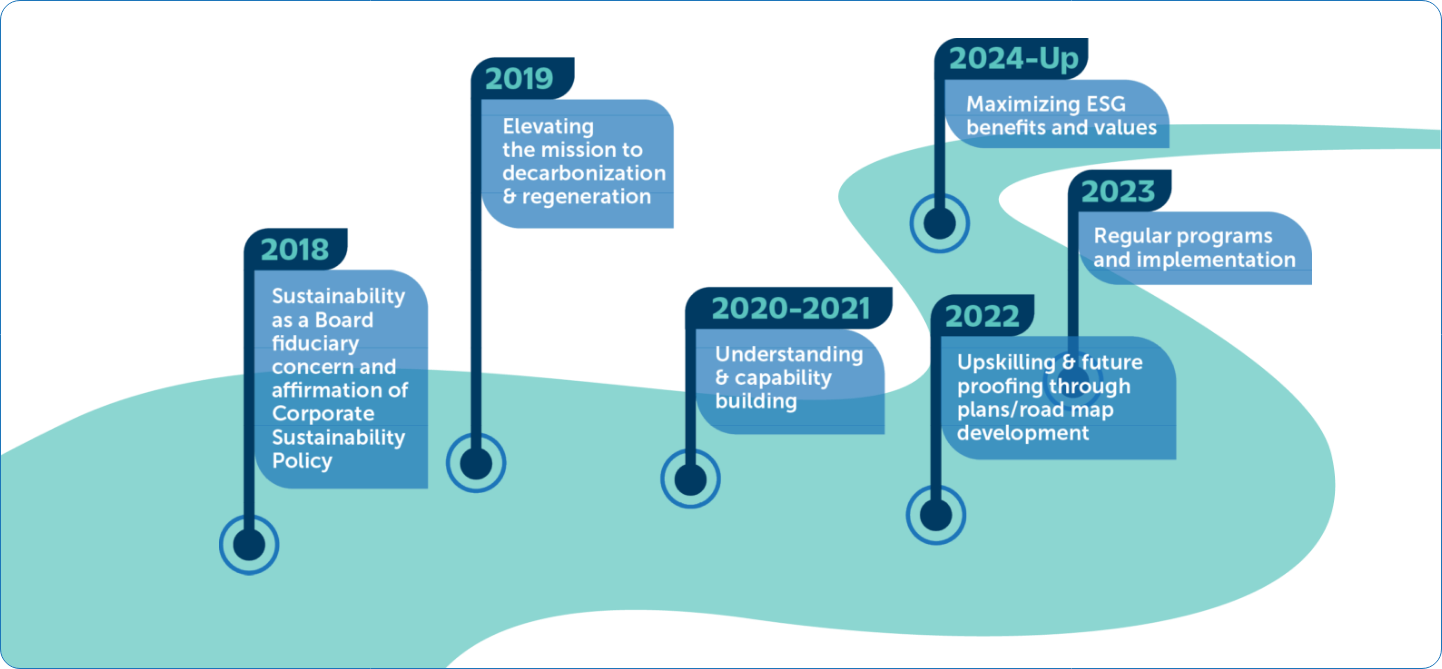
When the new FPH mission was announced in late 2019, we set the following course for our business:
Preparing Our Group for the Climate Battle
Because of the gravity of the climate change problem and other disruptions, instead of playing defense by focusing on regulatory compliance, we need to play offense by addressing all emerging ESG issues that are material to our operations. To prepare ourselves for our twin mission of decarbonization and regeneration, we capacitated our executives and employees to first understand the mission in dedicated sessions and during regular coordination meetings.
Deepening sessions on FPH mission with the help of experts through the years (2019-2021)
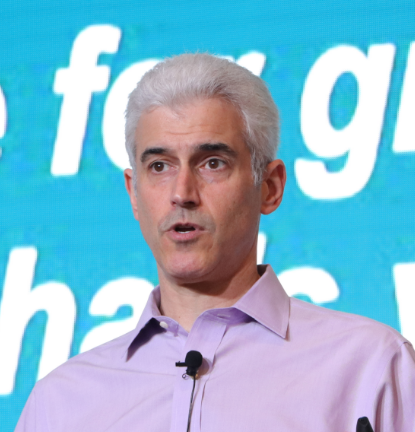
Andrew Winston (2019)
Practical strategies for a hotter, scarcer and more open world

Rebecca Henderson (2020)
Multi-stakeholder Capitalism
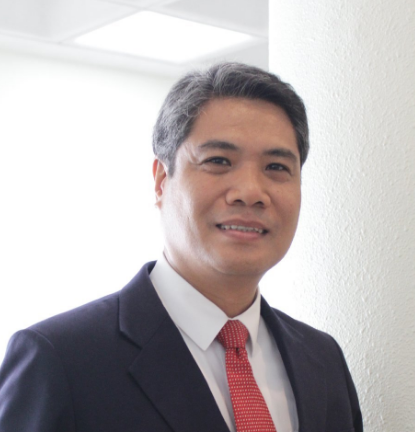
Colin Hubo (2019-2021)
Integrated Reporting and TCFD
Training program for all FPH subsidiaries and head office groups
Integrating the FPH Mission in Our Operations
After acquiring the technical skills and tools, we then started integrating ESG into our operations to ensure that time and resources will be allocated to ESG by everyone. We identified the key corporate functions that influence our operations: a) governance, b) corporate planning, c) enterprise risk management, and d) financial management (specifically budget allocation). This ESG integration was then tied up with FPH’s higher-level management approach, ‘Strategies and Synergies Planning” (SSP).
In the SSP process, we consider the dependencies of the organization’s structure, systems, and people to deliver our new mission and purpose. Through this approach, we are able to harness more quality outputs as a group by combining the resources, talents, and efforts of all our units towards our identified corporate goals. Thus, the SSP process guides our operational and long-term plans. Budget and other resources are allocated to support the operational plans for the year as well as the budget for our growth and diversification per our strategic plans. Initiatives with strategic fit to the mission and which conform with our governance standards are prioritized. The organization is also deliberate in allocating resources towards the growth and development of the business segment’s distinctive capabilities.
SSP is a dynamic process that is reviewed annually. By 2022, ESG or non-financial parameters became part of the regular SSP process in FPH. Henceforth, the regular monitoring and evaluation of the ESG performance of the subsidiaries will be conducted annually during the SSP review.
Embedding ESG in FPH operation
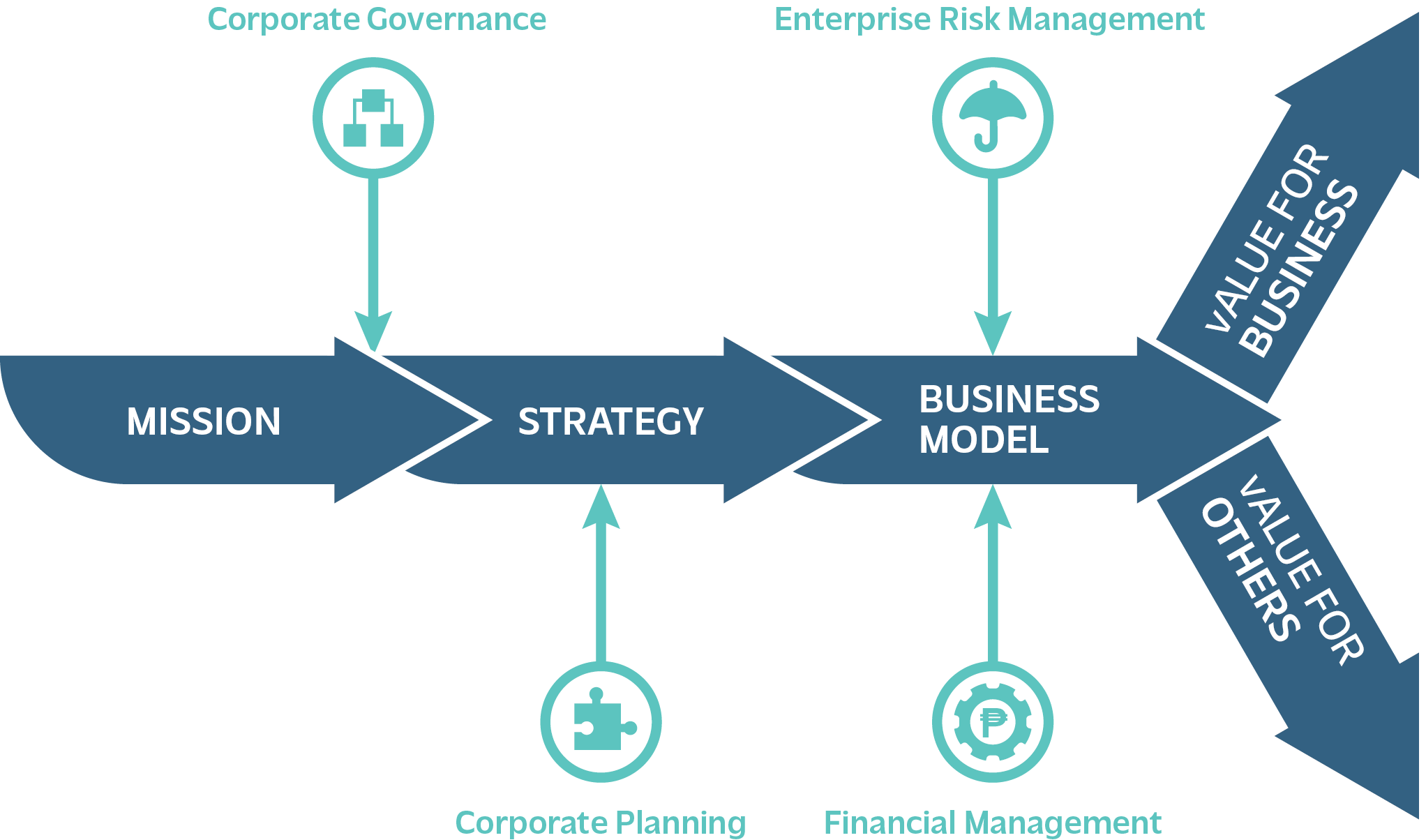
Our Progress on the FPH Mission’s Pillars
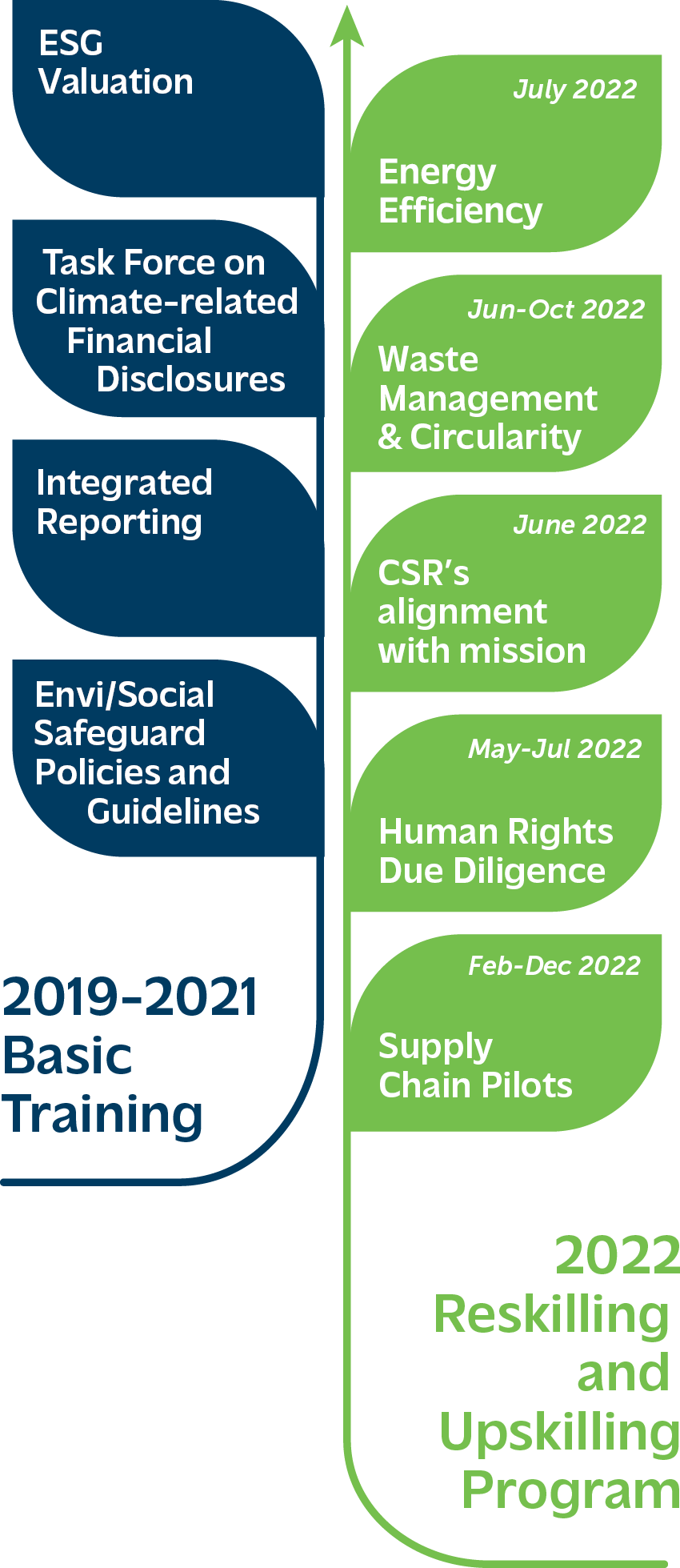
Our year-long capability-building program across FPH is summarized below. From the program, each subsidiary achieved the following:
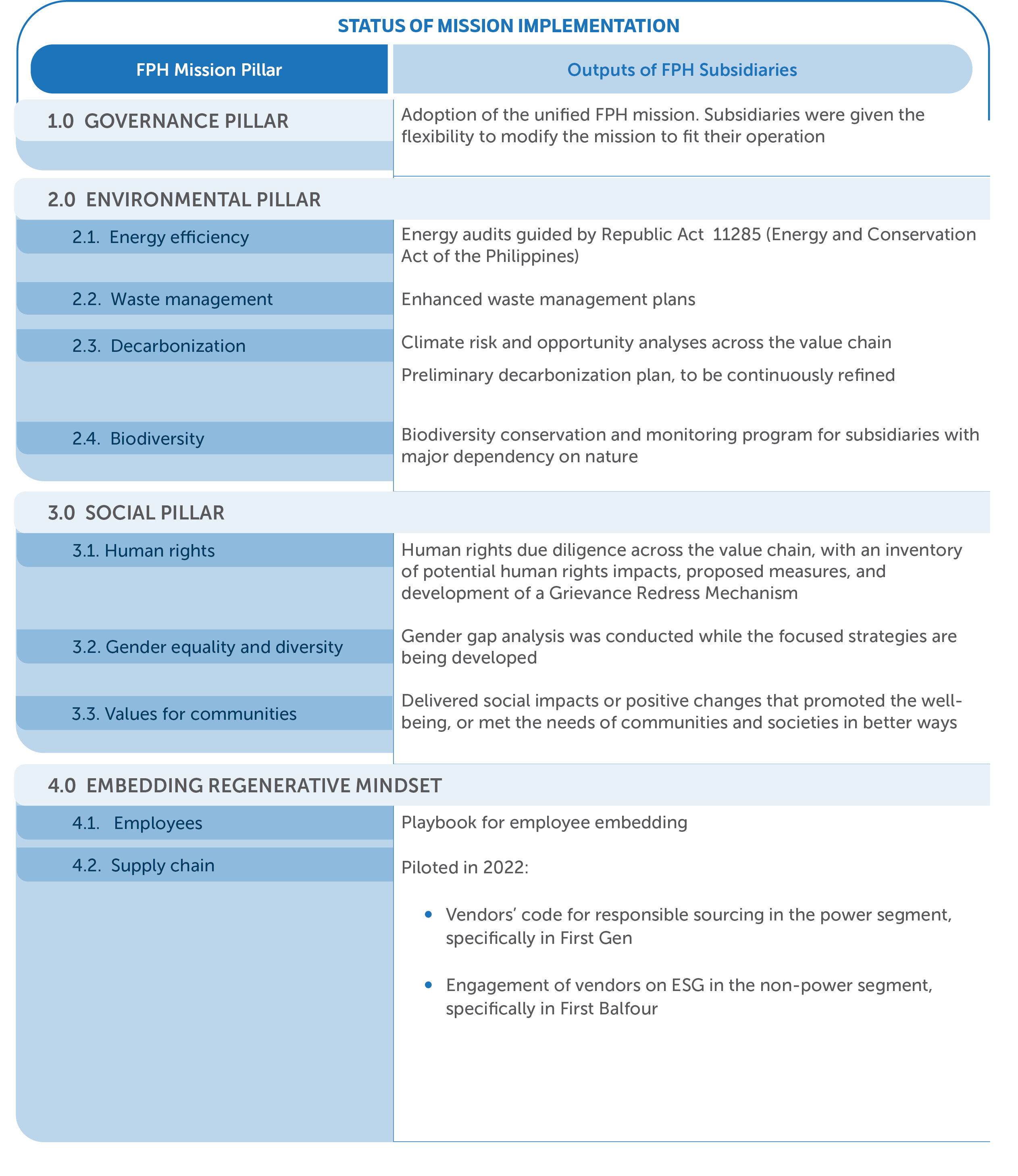
Realizing Our Mission
FPH upgraded its mission in the last quarter of 2019 to “To forge collaborative pathways to a decarbonized and regenerative future.” We act in solidarity with the government on climate concerns. To meet our mission, our climate transition is supported by our governance, value chain engagement, participation in government consultations for enabling policies, and collaboration with various sectors to amplify our climate initiatives. The following section summarizes our group decarbonization and regeneration plans, consolidated from the plans of our subsidiaries through the various capability sessions/workshops we have gone through in 2022.
Decarbonization Plans
We adopted the “mitigation hierarchy” approach by scanning our existing GHG reduction measures and identifying what can be scaled up, along with screening externally sourced measures we can adopt. With a growing understanding of decarbonization, we realized that the journey will not be simple due to resource and technology constraints. Thus, we resolved first to focus on our mitigation initiatives up to 2030 while keeping in mind the group’s ultimate goal to get to net zero by 2050. The current plans cover, at the moment, only GHG Scopes 1 and 2. These are still indicative measures as the detailed feasibility studies are being conducted. Regular reviews of the plans will be conducted as the compatible technical measures become available. The following shows the planned key decarbonization strategies of our various business segments and the proposed mobilization schedules based on preliminary assessments. Further feasibility studies of these plans are being undertaken up to 2023.
Schedule of Decarbonization Measures
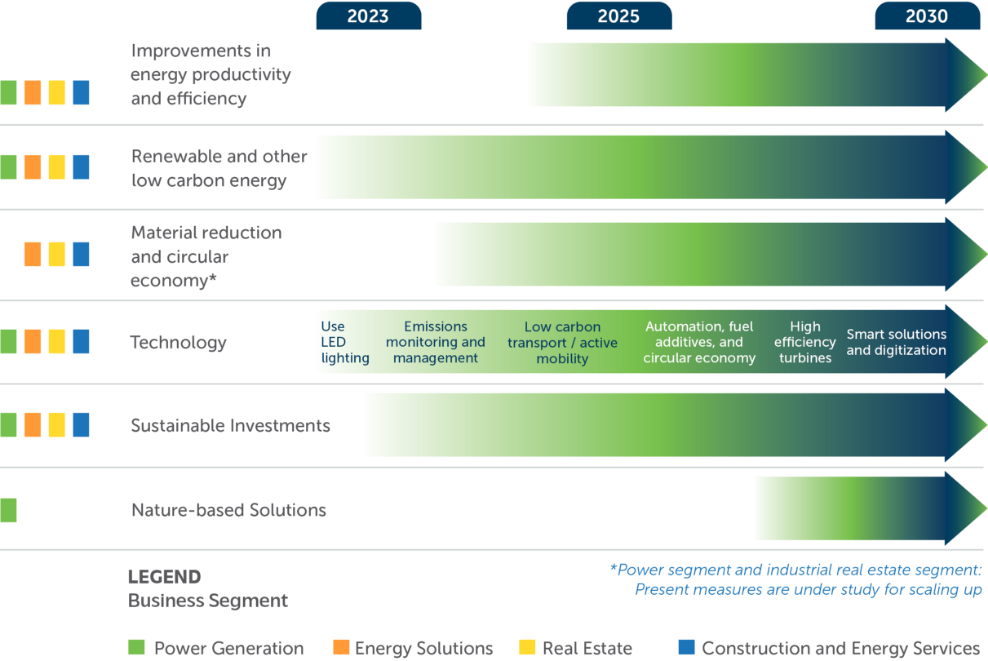
Our key decarbonization strategies involve initiatives with time frames that range from short-term (1-5 years), medium-term (5-10 years) to long-term (10 or more years).
Energy efficiency (Short-term to long-term)
Energy efficiency is considered the first fuel and is endorsed by the UN as a solution to achieve net zero GHG emissions. Scaling up this measure is critical. In 2022, our major subsidiaries underwent a first-level energy audit. Their facilities and equipment were inspected and the energy flows were analyzed to understand the points of interventions where their operations can use energy more efficiently.
Following the energy audit conducted in the last quarter of 2022, we will implement plans starting 2023 and will continue throughout the lifespan of the business.
Waste management (Short-term to long-term)
During the 2022 Waste Management Workshops, each subsidiary identified the sources and volume of wastes in its various phases of operation, the processes involved, their related material inflows and outflows, and the efficiency of material use. Residuals or materials not converted into products or services were considered wastes. From this information, the subsidiaries identified the opportunities for circularity consisting of the resource recovery from wastes through recycling, reuse, transformation to other use systems, and the processes to convert wastes into new resources. All business segments have waste management plans at varying design stages. In particular, the industrial real estate and power segments intend to scale up existing measures and will conduct their studies in 2023.
Technology scanning (Short-term to long-term)
We are conscious of the prescribed global timelines for the power sector to achieve net zero by 2040 and for the rest of the sectors by 2050.We continue to monitor emerging technologies and design our climate transformation based on our role in the national climate strategy, the technical feasibility and economic viability of the technology, and other circumstances of the company. Part of the fast-evolving technologies we are considering are electric vehicles, digitalization, equipment upgrades, and clean energy technologies. For the longer term, we are also monitoring the developments in carbon capture and utilization.
Use of RE and other clean power sources (Short-term to long-term)
We shall continue to increase the use of RE in all our subsidiaries. In addition, our power generation segment intends to participate in the RE expansion plans of the government. To address the growing demand for electricity in the country, we aim to deliver a total of 13,000 MW of new clean and renewable power by 2030. As part of our strategy, we plan to utilize a combination of natural gas and renewable sources, gradually increasing the proportion of renewables in our energy portfolio to up to 9,000 MW. Already, we have invested in the past year in a hydropower pump storage with a longer operating period of 10-12 hours compared to the available batteries today with only a 3-4 hour operating period.
Meanwhile, our natural gas plants are executing part of the country’s climate strategy. Under the Philippine Energy Plan for 2020-2040, natural gas is being used as a bridge fuel for an orderly energy transition in the country.2 Natural gas has 50 percent lower emissions than coal, which still makes up 57 percent of the power supply of the country. The natural gas plants will keep the lights on as the coal plants are being phased out and will complement intermittent REs like solar and wind. Solar power is out after 4:00 PM and there can be windless days during the year. Natural gas plants will enable these intermittent electricity sources to penetrate the grid to meet the country’s goal of increasing the RE contribution to the power mix of up to 35 percent by 2030 and up to 50 percent by 2040 under the clean energy scenario. Lastly, for the country to move on its own net zero goal, it will require the electrification of the major sectors (transportation, agriculture, industry, etc.).This will imply the need for a higher stable electricity supply. Thus, there can be an interim rise of our GHG emissions to perform our role in the national climate strategy. However, as more clean energy and energy storage systems are added to the grid, we are looking at decommissioning our own natural gas plants that can be repowered with green fuels in the coming decade or for these plants to be decommissioned before 2050.
Diversification of the portfolio through sustainable investments (Medium-term to long-term)
There are plans to diversify our investments towards a low-carbon portfolio to reduce our climate transition risks. Already, our growing understanding of the science, complexities of climate change, and the needs of society to adapt to the crisis inspired a number of our subsidiaries to plan for new sustainable investments (e.g., green transformers, energy solutions, water treatment). We expect this path to continue in the years to come.
Except for the energy solutions and the power generation segments which have existing sustainable projects, the plan of all subsidiaries to diversify to green products and services to decarbonize will be in the medium-term to long-term. Technical studies are however still being conducted.
Nature-based Solutions and Carbon offset (Medium-term to long-term)
The conglomerate will require carbon offsets as an interim measure to address its emissions mitigation gap pending access to technologies that will permanently remove GHG from the atmosphere. Subject to enabling policies and mechanisms from the government, we opt to develop our own nature-based solution (NBS) projects to lock in credits for longer periods so we will not be dependent on a volatile carbon market due to increasing demand worldwide. Our RE subsidiary, Energy Development Corporation, with 38 years of experience in managing our geothermal forest reservations, was mandated to lead the NBS project. The necessary policies and instruments are being developed under a project with the Department of Environment and Natural Resources (DENR). The establishment of the NBS projects and their accreditation process by international carbon platforms are expected to be on steam in the medium-term.
Regeneration Plans
In addition to decarbonization, the FPH mission calls for equal attention to the regeneration of the planet and people within our sphere of influence. Regeneration, which involves healing and restoration, sees man and the rest of life as one thriving and flourishing system, in harmony with nature’s processes.4 It is a system that respects human rights across the value chain; allows partners, co-creators, and communities to achieve their own goals; and ensures they receive benefits from businesses that they host in their areas.
The figure below represents our overall plan to transition from sustainability to regeneration. Since climate change is a major cause of environmental and societal degradation, we are looking at decarbonization as a step to regeneration. Our decarbonization measures are meant to reduce the pressure from global warming on nature and people so nature and society can attain a sustainable status where they can start to recover. To move towards regeneration we need affirmative actions or interventions to deliver a net positive environment and a net positive social well-being.
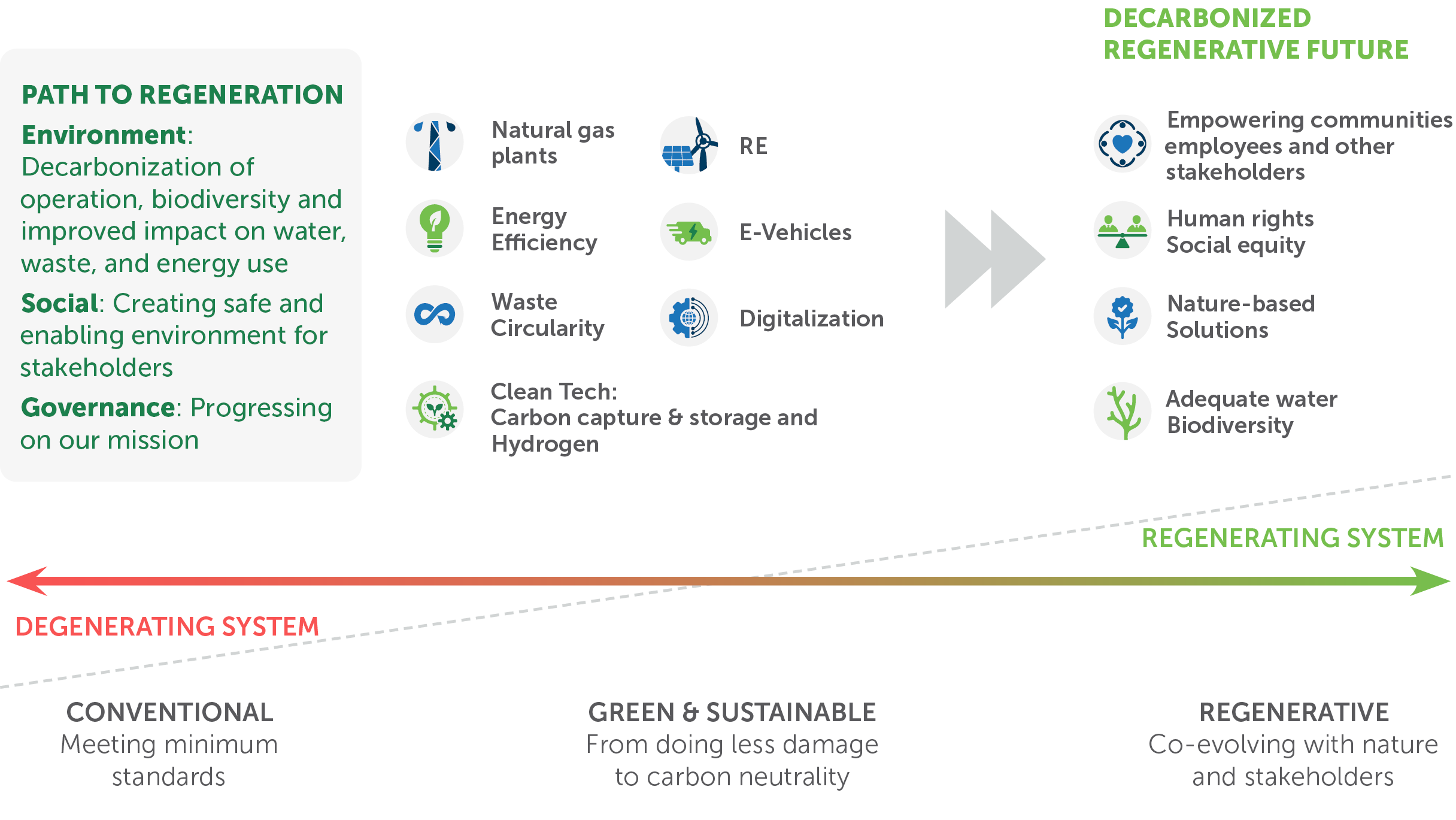
We have selected the following ESG indicators that will define our transformation towards regeneration:
Biodiversity (Short-term to long-term)
Nature has an inherent mechanism to recover on its own in a process called “natural succession”. For example, a forest left on its own without interventions, such as reforestation or enrichment planting, will take more than a hundred years to mature.
In FPH, the renewal of the ecosystem services of nature and enhancing biodiversity can range from the greening of spaces of our subsidiaries in urbanized areas to nurturing forests and other natural habitats in our energy projects. By protecting and expanding natural habitats, we contribute to improving the adaptive features of our worksites. The initiative will support not only the goals of the Paris Agreement on mitigation and adaptation but also the Global Biodiversity Framework approved by countries including the Philippines in the December 2022 meeting on biodiversity. The framework calls for the preservation of 30 percent of a country’s land and marine habitats by 2030.5 At the moment, the protected areas of the Philippines are estimated at 15.5 percent of natural land areas and 1.4 percent of marine waters.
Gender equality and diversity (short-term to long-term)
Our actions on gender equality and diversity (GED) are still incipient. While we have started assessing the gender pay gap, there are many aspects of GED that we need to work on. Due to the lack of in-house expertise on this theme, we signed up with UN Women’s Empowerment Principles and Philippine Business Coalition for Women Empowerment in 2022. In addition, our power companies have been assisted since March 2022 by USAID under its Enhancing Equality in Energy for Southeast Asia Program to increase the number of women pursuing energy sector careers and increase leadership opportunities for women.
In 2023, we will look into formulating a more comprehensive and related policy on social equity that will cover diversity, equality, and inclusion for employees and the rest of the stakeholders. Solving equity can positively influence poverty and more stable communities and society will lead to a stable economy that will provide us with a stable market. It also closes the loop between our financial and non-financial aspirations.
Respect for human rights (short-term to long-term)
Our human rights policy and our progress in human rights due diligence will promote social equity. Equity is fairly giving individuals access and opportunities in meeting their personal goals. By making human rights a guardrail in FPH, we ensure fairness in how we treat our stakeholders. This also covers sharing benefits with communities that host our projects, such as with the distribution of revenue towards community projects. Consistency in applying the human rights lens across the value chain will reduce social disparities in our areas of responsibility in order to promote social cohesion. Through our continuous networking, we hope to influence other sectors of society.
Employee embedding (short-term)
Transformation starts with promoting the skills of our employees who are our unit of change. The employee embedding playbook, completed in 2022 by each subsidiary, will assist in their transformation. The effectiveness of our embedding initiatives will be checked by the regular employee engagement surveys done by the respective Human Resources Groups until regeneration becomes a norm in the conglomerate. We are guided by studies on the role of capability building to a successful transformation which follows four steps: a) employees learn new skills, b) application of new skills will change capabilities and behavior, c) new behavior will improve the effectiveness of teams, and d) the company achieves financial gains and other goals.6
Networking and Collaborating for Greater Impacts
From the onset, we realized that we cannot achieve our mission alone. Thus, our approach is first to take up solutions that will help our company and our supply chain scale up actions beneficial to the business. Then we go for offsetting or actions outside our locations where we seek external partners to amplify our decarbonization and regenerative actions.
Department of Environment and Natural Resources
In October 2022, we partnered with the country’s environmental agency, DENR, to pilot its new Environmental and Natural Resources Framework (ENR). The ENR is a holistic approach that will protect nature’s integrity, promote community well-being, and contribute to a robust local economy. Ormoc City, which is the host area of the Leyte Geothermal Project of our RE subsidiary EDC, was selected as one of three areas to test the ENR.
Acting on our supply chain
We conducted two pilot projects on this topic during the year. We developed a vendors’ code for responsible sourcing through our power subsidiary, First Gen, which is guided by the following principles:
- full compliance with all relevant national and international laws;
- ethical business conduct;
- respecting people’s dignity;
- honoring contracts and obligations; and
- protecting Company and client’s data, assets, and interests.
Today, there are mandatory ESG disclosures we ask from our vendors covering our ESG policies. More details on this can be found in our Governance section on page 165.
Early in 2022, we piloted an engagement with the vendors of First Balfour to help them understand climate change and our mission. This activity has progressed to the training of the vendors on the GHG calculator developed by our partner “Ako ang Bukas Movement (AAB)”.7
Joining like-minded organizations
We maintained our existing partnerships with:
Quantum Leap NOW to Climate Neutrality 2050
FPH joined the climate neutrality movement also known as “Ako ang Bukas” movement or AAB (I am the Future) in 2021. The advocacy group was convened by Green Convergence, an environmental advocacy organization of more than 30 years. To accelerate sustainable development for our country, AAB was launched to campaign for climate neutrality by 2050, consistent with the global goal. Membership is voluntary. The group is assisting seven sectors: academe, business, local government units, youth, faith-based groups, civil society organizations, and Indigenous Peoples. AAB focuses on the quantification of one’s carbon footprint using a GHG calculator it developed for individuals and organizations. Partners are assisted in the calculation of their GHG footprint and on ways they can reduce it. The FPH Chairman is one of the advisors of the movement and our Chief Sustainability Officer is the head of AAB’s Business Task Force.
Business for Sustainable Development Philippines (BSD)
BSD is a non-profit industry association that provides a platform for companies to work together to address environmental and social issues that are material to the business. It helps companies to achieve their focus Sustainable Development Goals. The EDC President was voted as the head of the organization.
Total Carbon Column Observing Network (TCCON)
TCCON is a global network of stations that measures the concentration of ground carbon to complement the data collected by satellites and other instruments for an accurate assessment of the world’s carbon concentration. EDC hosts the 25th global station that takes measurements from the Asia Pacific region. We have maintained this partnership since 2017. In 2020, TCCON was able to increase the accuracy of carbon data by 20 percent over land and 40 percent over oceans. In 2022, by combining the capabilities of TCCON ground measurements with NASA satellite data, an atmospheric estimate of carbon at a country level was reported.
We maintained our existing partnerships with:
Council for Inclusive Capitalism
The Council is a community of global leaders mobilizing the private sector to do business in ways that benefit the people and planet. The goal is to attain an economic system that will work for everyone while protecting the natural world. It is a platform for action, sharing of learnings, and a movement for change. FPH and First Balfour have been accepted as members of the Council during the year.
UN Women Empowerment Principles
As a partner of UN Women and a signatory to the UN Women’s Empowerment Principles (WEPs), FPH is being guided on how the company can promote gender equality and women’s empowerment in the workplace, marketplace, and local communities.
Philippine Business Coalition for Women Empowerment (PBCWE)
The PBCWE is an organization of businesses that are large employers which commit to taking appropriate steps to improve gender equality in the workplace and to influence their supply chain and other businesses to be better employers of women.
Mobilizing the public
In 2022, we mobilized multiple stakeholders reaching a conservative estimate of 11,666 individuals over 27 events to potentially take action on climate change and in the rehabilitation of the planet. Stakeholders engaged included the government, business, academe, customers, civil society organizations, and the general public. Annex 4 on page 207 lists our engagements throughout the year.
1 UN (2022). Antonio Guterres (UN Secretary-General) to the press conference launch of IPCC report. Retrieved from https://media.un.org/en/asset/k1x/k1xcijxjhp
2 Department of Energy (2021). Philippine Energy Plan 2020-2040. Retrieved from https://www.doe.gov.ph/pep.
3 Lopez, F.R. (2022). Vision for an environmentally resilient Philippines. Retrieved from https://business.inquirer.net/ 369635/vision-for-an-environmentally-resilient-philippines
4 Gibbons, L.V. (2020). Regenerative-the new sustainable? Retrieved from https://www.mdpi.com/2071-1050/12/13/5483
5 Dion, M. and E. Roston (2022). Countries adopt plan to protect 30% of land and water by 2030. Retrieved from https://time.com/6242197/cop15-biodiversity-plan-adopted
6 Bachmann, H.; Skerritt, D.; and McNally, E. (2021). How capability building can power transformation. Retrieved from https://www.mckinsey.com/capabilities/transformation/our-insights/how-capability-building-can-power-transformation
7 Gomez, E (2022). First Balfour, vendors address climate change Retrieved from https://www.manilatimes.net/2022/12/22/business/top-business/first-balfour-vendors-address-climate-change/1871337
Delivering Our Strategy
The progress in our mission was made possible by either growing, preserving, or otherwise appropriately managing our six capitals to make them available for conversion through the business model into products and services. In this section, we present the performance of our capitals, their impact and financial materiality, and the values they provide to our pentad stakeholders. To ensure the accuracy of our performance assessment, the ESG data used in the analysis have been subjected to a third party assurance. We also conducted a review of 2021 data and made use of the updated information in the analysis. Some data from 2021 have been revised since the 2021 report.
ESG Data Assurance
Since our sustainability journey began in 2016, our extensive program resulted in a significant volume of ESG information. The logical next step for us is to have our data and data collection processes reviewed and assured by a third party. Data assurance will help us ensure that the data we collect, monitor, and which inform us of our ESG progress, remain accurate.
In 2022, ERM Certification and Verification Services Limited (ERM CVS) was engaged to provide limited assurance of selected information. As FPH is a holding company, our ESG data and disclosures focus on our operating groups, namely First Gen, EDC, First Balfour, Rockwell, FPIP, and First Philec, in addition to the head office. More details about the process can be found in the limited assurance statement in Annex 2 on pages 194-203.
Selected information in the following section was subject to independent limited assurance by ERM CVS for the benefit of our stakeholders and other users of the ESG data.


